
Hot water systems are easy to ignore, right up until they aren’t. A lukewarm shower, a leaking tank, a pilot light that won’t stay on, or fluctuating temperatures can turn a routine morning into a household scramble. In Sydney, where housing ranges from older terraces to high-rise apartments and strata-managed buildings, “just replacing the unit” can be more complicated than it sounds.
If you’re trying to line up a trusted hot water system supply and install, the goal is simple: get the right system for your household, installed safely and compliantly, with minimal downtime, and without discovering hidden costs halfway through.
Below is a practical, Sydney-minded way to think through the decision.
Start with the three decisions that drive everything
Before comparing brands or quotes, it helps to lock in three basics. They shape both the equipment choice and how complex installation will be.
1) Storage tank or continuous flow
Storage systems heat water in a tank and keep it ready. They tend to be straightforward to understand and can work well where a like-for-like replacement is possible. The trade-off is that once the tank is depleted, you wait for recovery.
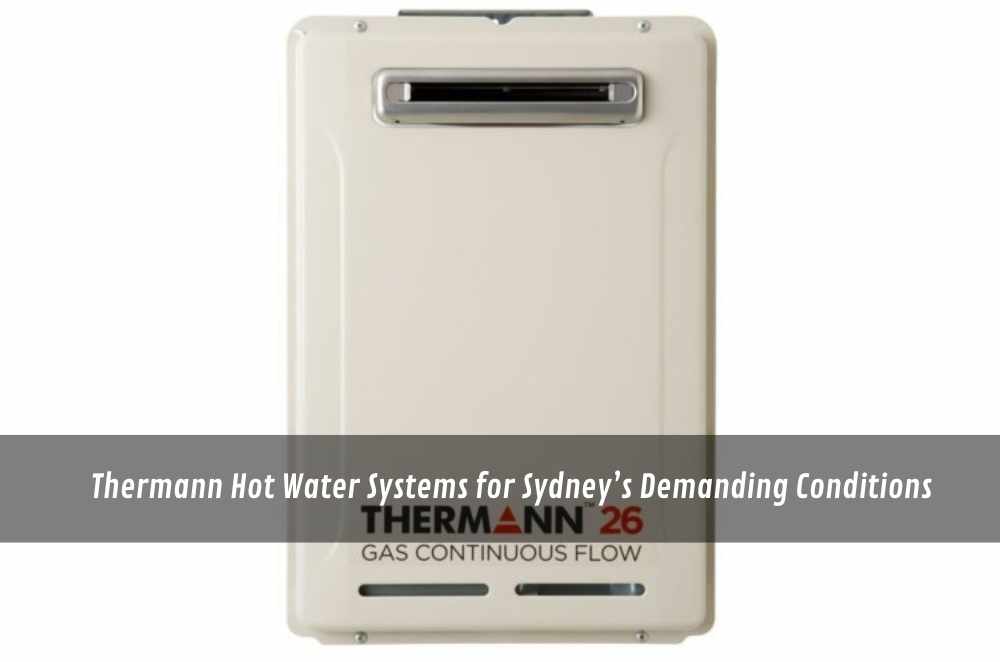
Continuous flow (instantaneous) systems heat water as you use it. They can be efficient for the right homes and avoid “running out” in the same way, but they’re not automatically the best choice for every property. Gas availability, flow rates, and temperature rise all matter.
A good installer will ask about your peak usage times (morning rush vs spread-out use), number of bathrooms, and whether multiple showers may run at once, because that’s where performance issues usually show up.
2) Energy source: electric, gas, heat pump, or solar-boosted
Sydney households can end up weighing running costs, upfront cost, and what the building can support.
Electric can be a common default, especially where gas isn’t available. Off-peak setups may suit some households, but they require the right sizing to avoid shortages.
Gas (storage or continuous flow) can be appealing for fast recovery or continuous flow use, but installation depends on gas type and location constraints.
Heat pumps can reduce energy use by extracting heat from the air, but they need adequate airflow and space, and they can behave differently in cooler conditions.
Solar systems vary widely. Roof suitability, shading, and existing plumbing all play a role, and many households end up comparing solar-boosted options rather than purely solar.
None of these are “best” in a vacuum. The best system is the one that matches your household pattern and your property’s constraints.
3) Size and delivery capacity
Sizing is where many hot water upgrades go wrong. Too small, and you ration showers. Too large, and you may pay more upfront and carry avoidable running costs.
Useful sizing conversations include:
How many people actually live in the home (not how many bedrooms exist)
How many bathrooms are used daily
Shower flow rates and typical shower length
Appliances that stack onto peak demand (dishwasher + washing machine + showers)
Whether you need strong flow at multiple outlets at the same time
An installer who can translate these everyday habits into a clear recommendation is often more valuable than one who simply sells a popular size.
What “trusted supply and install” looks like in real life
Trust isn’t a vibe. It’s the presence of clear, specific behaviours that reduce your risk.
Clear scoping before quoting
A reliable provider should be able to explain:
What’s included in the quote (labour, fittings, valves, disposal of the old unit)
Whether the quote assumes a like-for-like replacement in the same location
What might change the price (upgrades required to meet current standards, access issues, relocation, additional pipework)
In Sydney homes, access is often the hidden variable: a tight balcony cupboard, a unit located in a ceiling cavity, a townhouse with awkward side access, or a strata building requiring approval. If the quote doesn’t acknowledge access, ask how it has been allowed for.
A focus on compliance and safety checks
Hot water systems involve electricity, gas, water pressure, and temperature control, meaning safety is not optional. Good installation includes appropriate valves and temperature control measures, plus testing and commissioning at the end of the job.
If you’re dealing with warning signs like gas smells, visible corrosion, unusual noises, overheating, or pressure relief discharge, treat it as a safety issue rather than a mere inconvenience. In those cases, it’s wise to speak with a qualified professional promptly.
System matching, not “one size fits all”
A trusted supplier doesn’t simply stock a range, they help you choose from it. That might mean:
Explaining why a like-for-like replacement is sensible (and when it isn’t)
Flagging when a cheaper unit may cost more to run over time
Talking through whether your household would actually benefit from continuous flow or heat pump technology
If your building type adds constraints, like strata rules, external flues, noise considerations, or balcony space, those should be part of the recommendation, not an afterthought.
Straight answers about downtime
Households often care about one thing above all: “How long will we be without hot water?” A good installer will outline what happens on the day, what could extend the job (unexpected fittings, access, non-standard connections), and what temporary workarounds exist if delays occur.
The Sydney factors people forget to ask about
Even when homeowners do their homework, a few Sydney-specific realities can slip through.
Apartments, strata, and approvals
If you live in an apartment or strata-managed building, you may need:
Approval for visible external changes (flues, placement, drainage)
Adherence to building rules about work hours and access
A plan for safe removal and transport of an old unit through common areas
Ask early who coordinates what, and what information the installer can provide to make approval smoother.
Water pressure and tempering
Sydney areas can vary in water pressure characteristics, and pressure-limiting or tempering requirements can affect both safety and longevity. If you’ve had issues with inconsistent temperatures, older plumbing, or frequent valve problems, mention it before a system is selected.
Placement: indoor, outdoor, balcony cupboards, and ventilation
Where the system sits affects:
Service access (future repairs and maintenance)
Ventilation needs (especially for heat pumps and gas systems)
Exposure to weather and corrosion risks
Noise considerations (heat pumps in particular)
A good recommendation should suit not just your usage, but the physical spot where the unit will live.
A practical checklist for comparing providers
When you’re comparing quotes or deciding who to trust, these questions tend to separate thorough operators from rushed ones:
What exactly is included in the quote? (valves, fittings, disposal, commissioning)
Is this quote based on a like-for-like replacement in the same location?
What could change the price on the day, and how is that handled?
How did you size the unit for my household pattern?
What’s the realistic timeline from arrival to hot water restored?
What happens if you discover compliance upgrades are needed?
How do you handle apartment/strata access and approvals (if relevant)?
What should I do to extend system life after installation?
If you’d like a local reference point for the kinds of systems and installation considerations that commonly come up in Sydney, you can review hot water system options and installation information (Sydney Hot Water Systems).
After installation: how to protect your investment
A new unit isn’t “set and forget.” A few habits can help reduce breakdowns and extend service life:
Keep the area around the unit clear so it can be inspected and serviced.
Pay attention to early warning signs: small leaks, rust staining, odd sounds, temperature swings.
If you have a storage system, learn what “normal” recovery time looks like so you notice changes early.
If you’re in a hard-water area or an older building, ask what maintenance schedule is sensible for your setup.
Don’t ignore the pressure relief area, drips and discharge patterns can be important clues.
Most importantly, treat hot water as a safety-critical system. If something seems off, especially with gas, overheating, or pressure, err on the side of caution and speak with a qualified professional.
Key Takeaways
The “right” hot water system depends on household peak demand, not just the number of bedrooms.
Storage vs continuous flow is a lifestyle and property decision, not a universal upgrade.
Trustworthy supply and install starts with clear scoping: inclusions, access, and what may change on the day.
Sydney apartments and strata buildings add approval and access steps, raise these early.
Compliance and commissioning matter as much as the unit itself.
Post-install habits and early warning signs can prevent expensive surprises later.


Write a comment ...